


San Antonio, TX - Thursday December 3, 2026

San Antonio, TX

Event Date
Thursday December 3, 2026

7:30 am - 5:30 pm

Available Credits

Up to 8 AIA HSW/LU CE Hour(s)
Up to 4 GBCI General Hour
Up to 1 ADA Accessibility / Barrier-Free Req.
Maggiano's Little Italy
17603 I-10
San Antonio, TX 78257
Registration Price

$70.00

Terms
Early Bird Discount! $20.00 off if purchased before Nov 19, 2026

JOIN US IN YOUR CITY • REGISTER BELOW • ATTENDANCE REPORTED ON A PER-PRESENTATION BASIS

Event Agenda

Thursday, December 3, 2026

7:30 am

8:00 am

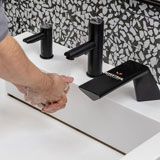
New Global Trends in Commercial Restroom Design
Sponsored By Excel Dryer, Inc.
1 AIA HSW/LU CE Hour(s)
1 GBCI General Hour
1 IDCEC HSW CEU(s)

This course explores the evolving landscape of commercial restroom design, highlighting the most significant changes and innovations of recent years.

Learning Objectives:
  1. Evaluate post-pandemic perceptions of commercial restrooms—based on a global survey of architects, facility managers, and restaurant operators—and identify emerging design priorities across stakeholder groups.
  2. Analyze innovative restroom products designed to minimize touchpoints and reduce germ transmission, and assess their impact on occupant health, safety, and overall user experience.
  3. Identify restroom products that contribute to building performance certifications such as LEED and WELL, and explain how specific product attributes align with sustainability and wellness criteria.
  4. Examine the environmental impact of building material choices during the use phase, and demonstrate how strategic product selection can generate long-term operational savings and improve occupant well-being.
  5. Apply lessons from real-world case studies to illustrate how product selection supports project goals, including cost efficiency, environmental performance, and alignment with client sustainability objectives.
Excel Dryer, Inc.

9:10 am

Security Driven Design: A Guide to Ballistic, Blast, and Forced Entry Protection
Sponsored By Armortex
Presented By Rick Snelling
1 AIA HSW/LU CE Hour(s)

As security threats continue to evolve, architects play an increasingly important role in designing buildings that protect occupants, critical assets, and essential operations.

Learning Objectives:
  1. Identify the performance characteristics of ballistic, forced entry, and blast resistant systems that contribute to occupant safety, asset protection, and resilient building design.
  2. Differentiate the standards, testing protocols, and certification criteria used to evaluate ballistic, blast, and forced entry resistant building products and assemblies.
  3. Compare the design and performance of protective glazing, doors, panels, framing systems, and related security components when specifying solutions for varying threat levels and project requirements.
  4. Apply lessons from built project case studies to specify physical security systems that enhance life safety, building protection, and overall project resilience.

10:20 am

Advancing Building Envelope Performance with Silane Modified Polymer (SMP) Technology
Sponsored By Kaneka
Presented By James Stroud
1 AIA HSW/LU CE Hour(s)
1 GBCI General Hour
1 IIBEC CEHs

As buildings are designed to meet higher standards for energy efficiency, durability, and occupant health, material selection plays an increasingly important role in long-term building performance.

Learning Objectives:
  1. Discuss the properties of Silane Modified Polymer (SMP) technology and its performance advantages for building enclosure applications, including adhesion, flexibility, durability, and compatibility with multiple substrates.
  2. Compare SMP products with traditional Air Barrier technologies by reviewing installation practices, lifecycle costs, performance characteristics, and sustainability considerations.
  3. Review applicable industry standards, testing methods, and building envelope applications that demonstrate how SMP technology contributes to durable, weather-resistant, and energy-efficient building assemblies.
  4. Recognize how SMP products have been applied in a variety of building projects to support resilient, low-emitting, and high-performance construction while helping protect occupant health, safety, and welfare.

11:30 am

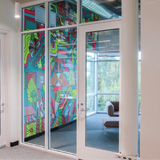
Aluminum Framing Solutions for High-Performance Interiors: Sound, Safety, and Style
Presented By Rick Carleton
1 AIA HSW/LU CE Hour(s)
1 GBCI General Hour

Aluminum doors and frames are increasingly popular in commercial interiors for their clean aesthetics and strong performance. This course explores practical applications of aluminum framing systems in modern architectural projects.

Learning Objectives:
  1. Identify the components and configurations of modern aluminum interior door and framing systems including sidelights, borrowed lights, flush assemblies, and sliding doors and their role in supporting safe, functional interior environments.
  2. Describe the aesthetic and functional benefits of aluminum framing systems including minimal sightlines, flush glazing, and integration with contemporary interiors and how these design attributes contribute to occupant well-being and spatial quality.
  3. Explain how aluminum assemblies meet critical performance and code compliance requirements such as fire ratings (45 to 90 minute), positive pressure testing, and acoustic control (STC-rated assemblies) to support life safety, occupant comfort, and building code adherence.
  4. Assess hardware compatibility, prep options, and code-related considerations including ADA accessibility, NFPA 80 compliance, and electric strikes and specify aluminum assemblies that align with applicable safety, egress, and sustainability standards including LEED and EPD documentation.
Avalon International Aluminum

12:30 pm

1:00 pm

Sustainably Designed Rainscreen Wall Systems for Moisture Management
Sponsored By Fiberon
1 AIA HSW/LU CE Hour(s)
1 AIC CPD Hour
1 GBCI General Hour
1 GBCI LEED Specific BD+C
1 GBCI LEED Specific ID+C

We explore the critical aspects of moisture management in building design, focusing on the implementation of effective rainscreen wall systems and composite cladding. Participants will learn to identify potential moisture-related issues that can impact aesthetics, structural integrity, and occupant health.

Learning Objectives:
  1. Identify potential moisture management issues that can harm the design aesthetic, structural integrity and occupants’ health and safety, of a built environment.
  2. Explore color and design options for composite cladding, as well as the four basic components of rainscreen wall systems that help minimize rainwater passage and dissipate any remaining water, for an understanding of best practices, sustainability and end user wellness.
  3. Examine code criteria, LEED v4.1 BD+C and ID+C requirements, and other sustainability considerations to determine appropriate exterior wall design, to result in a rain screen system for effective moisture management.
  4. Review how composite cladding can meet LEED v4.1 BD+C and ID+C credit requirements that focus on resilient design, life cycle assessment and sourcing of raw materials.
  5. Discuss sustainable manufacturing practices that support LEED v4.1 BD+C and ID+C goals and help recycle plastic, conserve water, reuse waste, and save forests.
Fiberon

2:10 pm

Rolling Door Systems
Sponsored By Raynor Garage Doors
Presented By Jason Wright
1 AIA HSW/LU CE Hour(s)

This course covers the different types of rolling commercial doors, their application, features, available options, and safety considerations.

Learning Objectives:
  1. Understand different types of coiling doors and their benefits in relations to Health, Welfare, and Safety
  2. Understand the key components of coiling doors and their role in the overall performance of the system
  3. Select the proper options that can farther enhanced the performance and usability of the system
  4. Select the proper method of operation based on the size and type of door used
Raynor Garage Doors

3:20 pm

MTD04: Porcelain Tile Decking
Sponsored By Mbrico, LLC
1 AIA HSW/LU CE Hour(s)

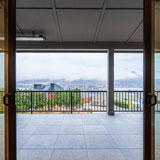
Overview of exterior porcelain tiles use for pavers, decking on joist framing, and rooftop pedestal deck areas. Learn the benefits including wind uplift, impact liability, stability, aesthetics, increased lifespan, ease of installation, and eco-friendliness.

Learning Objectives:
  1. Learn how to incorporate porcelain tiles into exterior settings to replace wood, dyed, plastic, or composite products.
  2. Discover the various settings porcelain tile can be used for exterior surfaces as well as the benefits.
  3. Learn about the green building and product longevity of exterior porcelain tile decks, rooftops, pavers, pools and patios.
  4. Provide insight on safety considerations of reinforcing porcelain for raised use applications on pedestals and deck framing. Also, how to beat Mother Nature - toppling wind and fire concerns.
Mbrico, LLC

4:30 pm

Code meets Craft: ADA Compliant Railing Systems
Sponsored By Livers Bronze
Presented By Lee Kirby
1 ADA Accessibility / Barrier-Free Req.
1 AIA HSW/LU CE Hour(s)

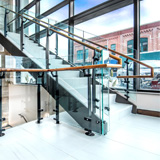
Handrails and guardrails are a safety feature we easily take for granted — until it's time to specify one. In this course, we'll delve into the systems that keep commercial stairs, ramps, and elevated walkways safe, and the codes that govern them.

Learning Objectives:
  1. Distinguish the system: Tell a guardrail from a handrail and explain why that distinction drives every compliance decision
  2. Apply the safety thresholds: Identify when guards are required and the loads that rails must resist under the model codes
  3. Navigate the three codes: Determine how IBC, OSHA and ADA apply, and design each element to the strictest standard
  4. Confirm Local Requirements: Check local amendments, permits, and the AHJ before finalizing any specification
Livers Bronze

State CE Requirements

Texas CE Requirements

Texas Board of Architectural Examiners
(512) 305-9000
Renewal Cycle: 
Annual
Total Hours Required: 
12 Hours
Renewal Deadline: 
Last Day of Licensees' Birth Month
12 HSW (1 hour SD or energy efficient design + 1 hour barrier-free design + min. 8 hours structured + max. 4 hours self-directed)