
Austin, TX - Tuesday November 17, 2026

Austin, TX

Event Date
Tuesday November 17, 2026

7:30 am - 3:10 pm

Available Credits

Up to 6 AIA HSW/LU CE Hour(s)
Up to 1 GBCI General Hour
Up to 1 ADA Accessibility / Barrier-Free Req.
Maggiano's Little Italy
10910 Domain Dr
Austin, TX 78758
Registration Price

$70.00

Terms
Early Bird Discount! $20.00 off if purchased before Nov 3, 2026

JOIN US IN YOUR CITY • REGISTER BELOW • ATTENDANCE REPORTED ON A PER-PRESENTATION BASIS

Event Agenda

Tuesday, November 17, 2026

7:30 am

8:00 am

Advancing Building Envelope Performance with Silane Modified Polymer (SMP) Technology
Sponsored By Kaneka
Presented By James Stroud
1 AIA HSW/LU CE Hour(s)
1 GBCI General Hour
1 IIBEC CEHs

As buildings are designed to meet higher standards for energy efficiency, durability, and occupant health, material selection plays an increasingly important role in long-term building performance.

Learning Objectives:
  1. Discuss the properties of Silane Modified Polymer (SMP) technology and its performance advantages for building enclosure applications, including adhesion, flexibility, durability, and compatibility with multiple substrates.
  2. Compare SMP products with traditional Air Barrier technologies by reviewing installation practices, lifecycle costs, performance characteristics, and sustainability considerations.
  3. Review applicable industry standards, testing methods, and building envelope applications that demonstrate how SMP technology contributes to durable, weather-resistant, and energy-efficient building assemblies.
  4. Recognize how SMP products have been applied in a variety of building projects to support resilient, low-emitting, and high-performance construction while helping protect occupant health, safety, and welfare.

9:10 am

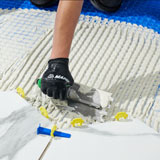
Tile and Stone Installation Systems​
Sponsored By Mapei Corporation
1 AIA HSW/LU CE Hour(s)

This course will help participants understand the industry standards and guidelines regarding the substrate preparation for installation of concrete based underlayment's and toppings.

Learning Objectives:
  1. Learn what a “Service Requirement” is, and how to specify an installation method based upon how it will be used.
  2. Environmental Expose Classifications, and how they affect the choice of products within an installation system.
  3. Gain an understanding of the substrate preparation required for installation of tile and stone.
  4. Discover the types and uses for different types of membranes and when to specify each type Membranes – Explore the needs, types, and uses. ​​
  5. Determine the differences in mortars, and how to apply the industry standards apply to them in Specifications.
  6. Explore the different types of grouts, and learn when and where each may be used, or is required, for performance.​
Mapei Corporation

10:20 am

Managing Condensation, Water Intrusion and Energy in the Real World-1
Sponsored By PROSOCO
Presented By Alley Mathson
1 AIA HSW/LU CE Hour(s)
1 GBCI General Hour

Window opening air and water leakage has been a difficult problem for the construction industry. This course evaluates building failures, conventional construction approaches, and new developments in waterproofing techniques to show a path forward for designers seeking higher-performing wall assemblies.

Learning Objectives:
  1. Explain why job-site conditions should be used as systems engineering requirements in construction product development.
  2. Compare and contrast the similarities and differences between silicone, urethane, and STP sealants.
  3. Describe the multi-step weatherproofing process of conventional window installation and how such installations fare in real-world testing conditions.
  4. Explain new window weatherproofing techniques using liquid flashing membranes.
  5. Instruct others on construction defect remediation using STP technology through case-study examples.

11:30 am

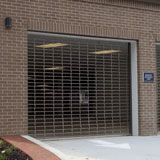
Designing for Preparedness: Security with Coiling Doors and Grilles
Presented By John Polchin
1 AIA HSW/LU CE Hour(s)

This course will use a multi-use building example to delve into the unique ways architects and designers can incorporate different kinds of closure security into their designs without giving up their desired aesthetic.

Learning Objectives:
  1. Understand the importance of integrating closure security in the design process.
  2. Against the multi-use building backdrop, pinpoint key vulnerable areas of access control and highlight secure building design requirements for each of these areas.
  3. Outline key closure solutions to protect against theft, severe weather, vandalism, and fires.
  4. Discuss the importance of architects understanding the pros and cons of each access control option that can be designed into a building to ensure they choose the closure solution for their particular application. Understand when to use visible security as a design deterrent, and when architects should design security that is hidden into the architecture – either to conceal it from occupants (for mental health and wellbeing) or from threats (as an added security measure)
Cornell Cookson, Inc

12:30 pm

Sponsored By PROSOCO
Presented By Alley Mathson
This interactive session will cover PROSOCO’s innovative products, including air and water barriers, concrete flooring solutions, and masonry cleaners, designed to enhance building performance and longevity. Product experts will walk you through real-world applications, best practices, and key benefits, followed by a Q&A session...

1:00 pm

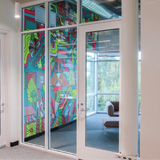
Aluminum Framing Solutions for High-Performance Interiors: Sound, Safety, and Style
Presented By Rick Carleton
1 AIA HSW/LU CE Hour(s)
1 GBCI General Hour

Aluminum doors and frames are increasingly popular in commercial interiors for their clean aesthetics and strong performance. This course explores practical applications of aluminum framing systems in modern architectural projects.

Learning Objectives:
  1. Identify the components and configurations of modern aluminum interior door and framing systems including sidelights, borrowed lights, flush assemblies, and sliding doors and their role in supporting safe, functional interior environments.
  2. Describe the aesthetic and functional benefits of aluminum framing systems including minimal sightlines, flush glazing, and integration with contemporary interiors and how these design attributes contribute to occupant well-being and spatial quality.
  3. Explain how aluminum assemblies meet critical performance and code compliance requirements such as fire ratings (45 to 90 minute), positive pressure testing, and acoustic control (STC-rated assemblies) to support life safety, occupant comfort, and building code adherence.
  4. Assess hardware compatibility, prep options, and code-related considerations including ADA accessibility, NFPA 80 compliance, and electric strikes and specify aluminum assemblies that align with applicable safety, egress, and sustainability standards including LEED and EPD documentation.
Avalon International Aluminum

2:10 pm

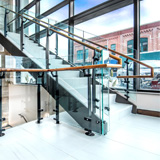
Code meets Craft: ADA Compliant Railing Systems
Sponsored By Livers Bronze
Presented By Lee Kirby
1 ADA Accessibility / Barrier-Free Req.
1 AIA HSW/LU CE Hour(s)

Handrails and guardrails are a safety feature we easily take for granted — until it's time to specify one. In this course, we'll delve into the systems that keep commercial stairs, ramps, and elevated walkways safe, and the codes that govern them.

Learning Objectives:
  1. Distinguish the system: Tell a guardrail from a handrail and explain why that distinction drives every compliance decision
  2. Apply the safety thresholds: Identify when guards are required and the loads that rails must resist under the model codes
  3. Navigate the three codes: Determine how IBC, OSHA and ADA apply, and design each element to the strictest standard
  4. Confirm Local Requirements: Check local amendments, permits, and the AHJ before finalizing any specification
Livers Bronze

State CE Requirements

Texas CE Requirements

Texas Board of Architectural Examiners
(512) 305-9000
Renewal Cycle: 
Annual
Total Hours Required: 
12 Hours
Renewal Deadline: 
Last Day of Licensees' Birth Month
12 HSW (1 hour SD or energy efficient design + 1 hour barrier-free design + min. 8 hours structured + max. 4 hours self-directed)